

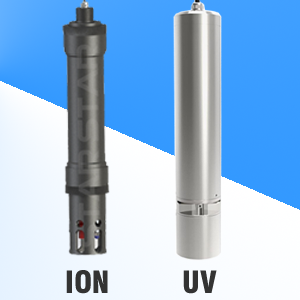
 UV method and electrode method are two common online nitrate nitrogen (NO₃⁻-N) detection techniques, and they have significant differences in principle, performance and application scenarios. The following is a comparison between the two and an analysis of their applicable scenarios:
1. Principle difference
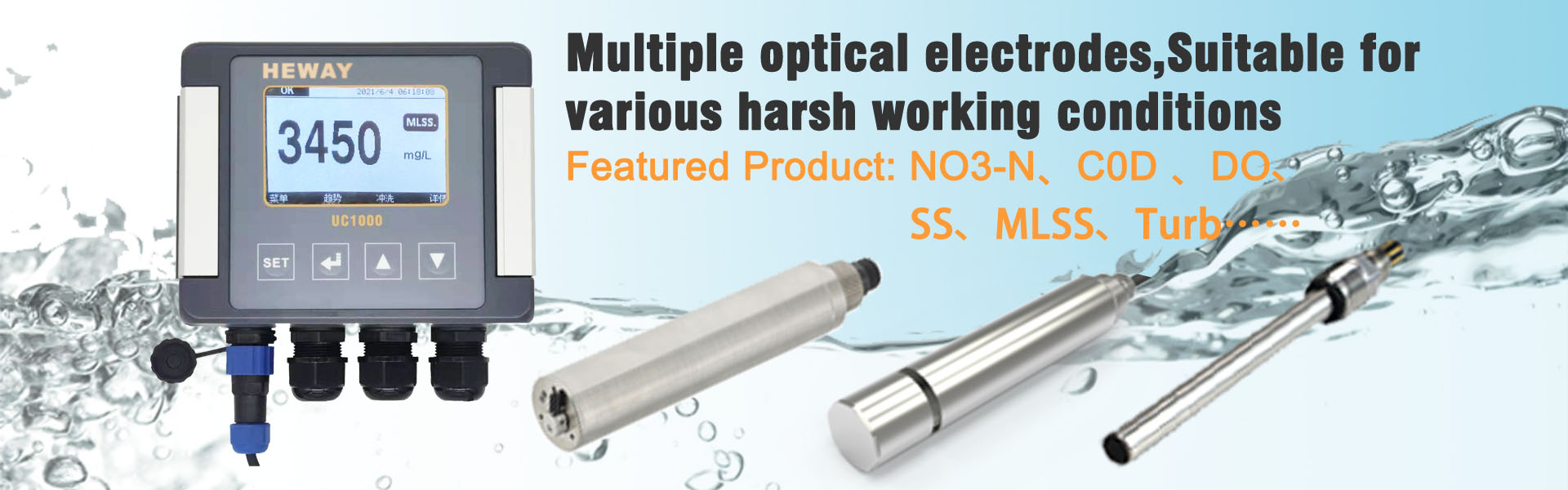
UV method: Based on the characteristic absorption spectrum of nitrate nitrogen in the ultraviolet band (200-220 nm), the concentration is quantified by absorbance.
UV method interference factors: Organic matter, turbidity, and other ultraviolet-absorbing substances (such as nitrate and nitrite) may interfere, and algorithm or filtration compensation is required.
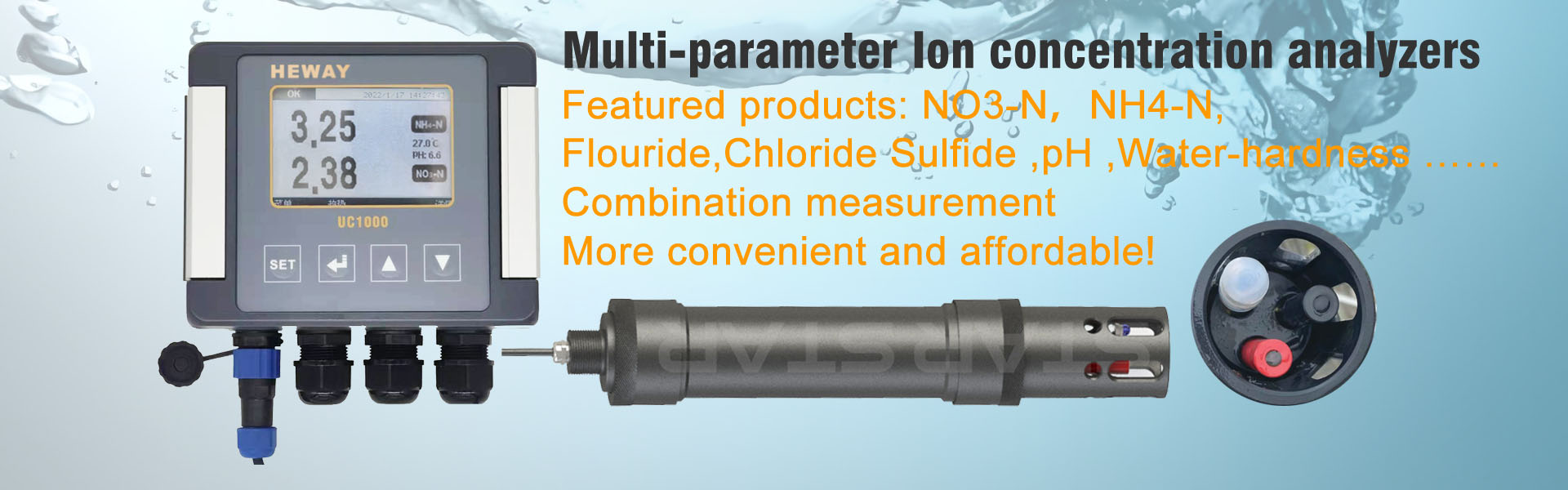
Electrode method: A nitrate ion-selective electrode is used to measure the potential difference (potential method), and the potential is directly proportional to the logarithm of the nitrate nitrogen concentration (Nernst equation).
Interference factors of electrode method: other anions (such as Cl⁻, HCO₃⁻), electrode aging, and frequent calibration due to temperature fluctuations.
2. Performance comparison
UV method: High sensitivity, wide measurement range (0.1-100 mg/L or higher), fast response speed, low maintenance requirements (no consumables, regular cleaning of optical Windows), but relatively high cost (precision optical components)
Electrode method: Medium sensitivity, relatively slow response speed, high maintenance requirements (electrolyte replacement, membrane replacement, regular calibration), low cost (but long-term consumable cost increases)
3. Application Scenarios
Advantageous scenarios of the UV method
Wastewater/surface water monitoring: Suitable for samples with high organic matter or turbidity (equipped with automatic cleaning or compensation algorithms).
Industrial wastewater: Wide range suitable for high-concentration nitrate nitrogen (such as drainage from fertilizer plants).
Long-term unattended operation: Long maintenance cycle, suitable for remote monitoring stations.
Applicable scenarios of the electrode method
Laboratory or portable testing: The equipment is simple and suitable for on-site rapid testing (such as farmland leachate).
Low-budget projects: Low initial cost, but frequent maintenance is required.
Low-interference water bodies: such as groundwater and drinking water, with less anion interference.
4. Precautions
The UV method requires regular baseline calibration to prevent particulate matter adhesion. When using the electrode method, attention should be paid to temperature compensation and ionic strength adjustment (such as adding ISA solution).
Both may be interfered with by nitrite (NO₂⁻) and need to be distinguished by chemical methods (such as Gris reagent) or instrumental algorithms.